Table of Contents
Description
Enjoy a fresh Anti-Inflammatory Classic Greek Salad with crunchy vegetables, feta, olives, and olive oil dressing. A delicious healthy side or light meal!
Introduction
Sometimes, the best recipes are the simplest ones. When you want something fresh, colorful, and full of flavor, this Anti-Inflammatory Classic Greek Salad is a wonderful choice. It combines crisp vegetables, creamy feta cheese, briny olives, and a bright homemade dressing for a dish that feels light but satisfying.
This salad is perfect for busy weekdays, summer lunches, family dinners, and gatherings. You can prepare it in just a few minutes, and there is no need to turn on the oven or spend hours in the kitchen. Every bite delivers refreshing cucumber, juicy tomatoes, crunchy bell peppers, and flavorful red onion.
The recipe also fits naturally into many balanced eating patterns, including Mediterranean-style meals and low-carb lifestyles. Olive oil, vegetables, herbs, and optional protein make it easy to customize according to your preferences.
Although no single food can cure or prevent inflammation, choosing a variety of nutrient-rich foods can support an overall healthy eating pattern. This easy Greek salad is a delicious way to add more colorful vegetables to your day without sacrificing flavor.
What Is Anti-Inflammatory Classic Greek Salad?
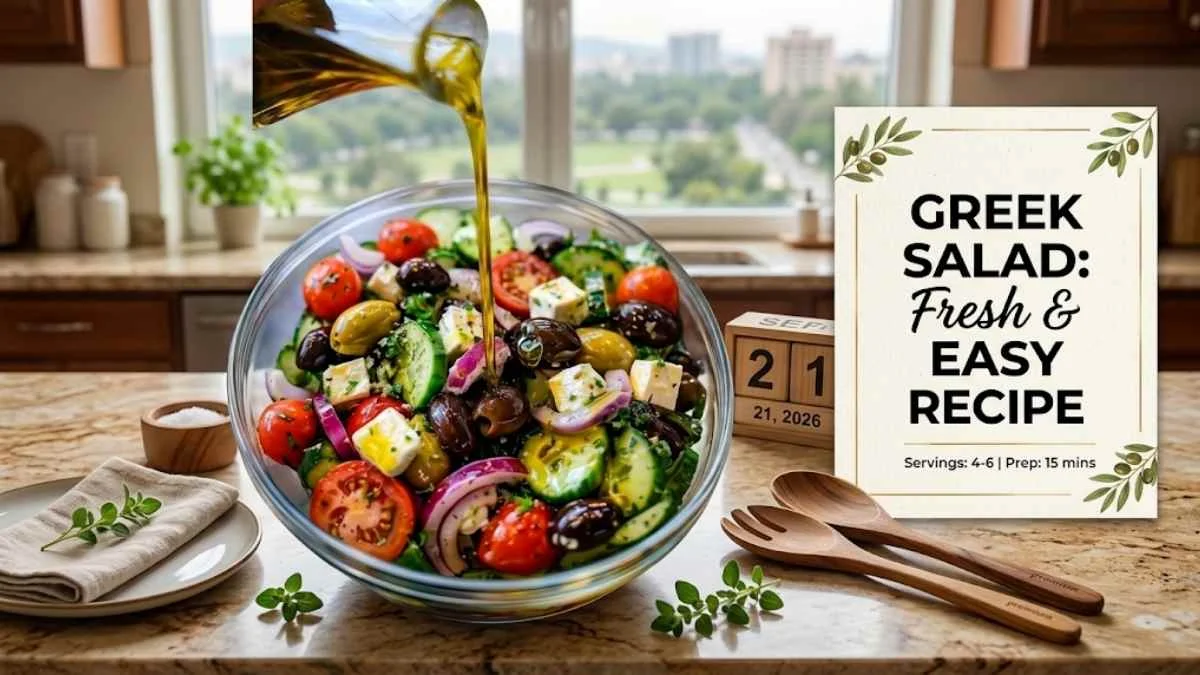
Anti-Inflammatory Classic Greek Salad is a fresh Mediterranean-inspired salad made with tomatoes, cucumbers, bell peppers, red onion, olives, feta cheese, and an olive oil-based dressing.
Traditional Greek salad is usually prepared without leafy lettuce and focuses on fresh vegetables, salty olives, creamy feta, and herbs.
This version highlights ingredients often included in balanced Mediterranean-style eating, including extra-virgin olive oil, vegetables, and herbs. It is naturally low in carbohydrates compared with many pasta or grain-based salads and can be served as a side dish or light meal.
For additional protein, you can add grilled chicken, salmon, chickpeas, or boiled eggs.
Recipe Stat Sheet
| Recipe Detail | Information |
|---|---|
| Recipe Name | Anti-Inflammatory Classic Greek Salad |
| Category | Salad / Side Dish |
| Cuisine | Mediterranean-Inspired |
| Preparation Time | 15 minutes |
| Cooking Time | None |
| Total Time | 15–20 minutes |
| Servings | 4–6 |
| Difficulty | Easy |
| Cooking Method | No-Cook |
| Main Ingredients | Fresh Vegetables and Feta |
| Dressing | Olive Oil and Lemon |
| Flavor | Fresh, tangy, savory, and herbaceous |
| Dietary Style | Vegetarian / Low-Carb Friendly |
| Best For | Lunch, Dinner, Meal Prep, and Gatherings |
Recipe Equipment
You only need a few basic kitchen tools to prepare this colorful Greek salad.
- Large mixing bowl: Provides enough room to toss the vegetables and dressing without spilling.
- Sharp chef’s knife: Helps cut vegetables into even, attractive pieces.
- Cutting board: Creates a stable surface for chopping.
- Small bowl or jar: Used to mix the homemade Greek dressing.
- Whisk or fork: Helps combine the oil, lemon juice, and seasonings.
- Measuring spoons: Ensures the dressing ingredients remain balanced.
- Salad servers: Make tossing and serving the salad easier.
For the best presentation, use a large shallow serving bowl so the vibrant colors of the vegetables and feta remain visible.
Ingredients
For the Greek Salad
- 4 medium ripe tomatoes, cut into wedges or chunks
- 1 large cucumber, sliced or cut into half-moons
- 1 green bell pepper, sliced
- ½ medium red onion, thinly sliced
- ½ cup Kalamata olives, pitted
- ¾ cup feta cheese, cut into cubes or crumbled
- 2 tablespoons fresh parsley, chopped
- 1 tablespoon fresh oregano, optional
- ¼ teaspoon black pepper
For the Homemade Dressing
- ¼ cup extra-virgin olive oil
- 2 tablespoons fresh lemon juice
- 1 tablespoon red wine vinegar
- 1 garlic clove, finely minced
- 1 teaspoon dried oregano
- ½ teaspoon Dijon mustard, optional
- ¼ teaspoon salt, or to taste
- ¼ teaspoon black pepper
- ½ teaspoon honey or keto-friendly sweetener, optional
Ingredient Notes
Fresh Tomatoes
Use ripe tomatoes with a firm texture and plenty of flavor. Cherry tomatoes, grape tomatoes, or heirloom tomatoes can also be used.
If the tomatoes are especially juicy, remove some of the excess liquid to prevent the salad from becoming watery.
Cucumber
English cucumbers work particularly well because they have a thin skin and fewer seeds. Regular cucumbers are also suitable.
Slice the cucumber into thick half-moons for a satisfying crunch.
Feta Cheese
Feta adds a creamy, salty flavor that balances the fresh vegetables. Block feta packed in brine often provides a rich texture, but pre-crumbled feta is convenient.
For a dairy-free version, omit the feta or use a plant-based alternative.
Kalamata Olives
Kalamata olives provide a savory, slightly fruity taste. If you prefer a milder flavor, use green olives or reduce the quantity.
Extra-Virgin Olive Oil
Olive oil forms the base of the dressing and helps bring the ingredients together. Choose a good-quality oil with a flavor you enjoy.
Herbs and Seasonings
Oregano is a classic Greek salad seasoning. Fresh parsley, basil, or mint can be added for a different flavor profile.
Step-by-Step Instructions
Step 1: Wash and Prepare the Vegetables
Wash all vegetables thoroughly under cool running water.
Cut the tomatoes into wedges or bite-sized chunks. Slice the cucumber, bell pepper, and red onion into evenly sized pieces.
For a milder onion flavor, soak the sliced red onion in cold water for 5–10 minutes. Drain thoroughly before adding it to the salad.
Step 2: Assemble the Salad Ingredients
Place the tomatoes, cucumber, bell pepper, red onion, and Kalamata olives into a large mixing bowl.
Add the chopped parsley and oregano. Gently toss the ingredients together so the vegetables remain crisp and attractive.
Avoid adding the feta just yet if you want to prevent it from breaking apart during mixing.
Step 3: Prepare the Greek Dressing
In a small bowl or jar, combine olive oil, lemon juice, red wine vinegar, minced garlic, dried oregano, Dijon mustard, salt, and black pepper.
Add the optional honey or keto-friendly sweetener if you prefer a slightly balanced dressing.
Whisk vigorously or shake the jar until the dressing looks smooth and lightly blended. Taste and adjust the acidity or seasoning as needed.
Step 4: Dress the Vegetables
Pour the dressing over the vegetables.
Use salad servers or two large spoons to gently toss everything together. Make sure the dressing coats the tomatoes, cucumber, peppers, and onions evenly.
For the freshest texture, avoid overmixing or crushing the tomatoes.
Step 5: Add the Feta Cheese
Add the feta cubes or crumbles over the top of the salad.
Gently fold the feta into the vegetables, or leave it on top for a more traditional presentation. The creamy cheese adds a delicious contrast to the crisp vegetables and tangy dressing.
Step 6: Rest and Serve
Allow the salad to rest for approximately 5–10 minutes before serving. This gives the vegetables time to absorb some of the dressing.
Taste once more and add extra oregano, black pepper, lemon juice, or olives if desired.
Serve immediately or chill briefly before enjoying.
Why You’ll Love This Recipe
- Fresh and colorful: A beautiful combination of red, green, purple, and white ingredients.
- Quick preparation: Ready in approximately 15–20 minutes.
- No cooking required: Ideal for hot days and busy schedules.
- Low-carb friendly: Naturally lower in carbohydrates than many grain-based salads.
- Mediterranean-inspired: Features olive oil, vegetables, herbs, olives, and feta.
- Easy to customize: Add protein, change the vegetables, or adjust the dressing.
- Meal-friendly: Works as a side dish, light lunch, or dinner accompaniment.
Pro Tips and Variations
For the best flavor, use fresh, ripe vegetables and good-quality olive oil. Salt the salad lightly at first because feta and olives are already naturally salty.
If preparing the salad ahead, keep the dressing separate and combine it just before serving. Add feta at the end to maintain its texture.
For extra protein, add grilled chicken, tuna, boiled eggs, or chickpeas. Avocado adds creaminess, while toasted sunflower seeds provide crunch.
You can replace red wine vinegar with apple cider vinegar or use lime juice instead of lemon. For a spicy twist, add sliced pepperoncini or a pinch of red pepper flakes.
Serving Suggestions
This classic Greek salad pairs beautifully with a variety of meals.
Serve it alongside:
- Grilled chicken breast
- Baked salmon
- Grilled shrimp
- Roasted vegetables
- Turkey burgers
- Grilled steak
- Chicken souvlaki
- Whole-grain pita bread
- Cauliflower rice
- Lentil or bean dishes
For a light lunch, add grilled chicken, boiled eggs, or chickpeas. If you follow a low-carb or keto eating plan, serve it with grilled protein or roasted vegetables instead of bread.
For parties and potlucks, place the salad in a large serving bowl and add the feta shortly before serving.
Storage Information
Greek salad is best enjoyed fresh, but leftovers can be stored safely with proper handling.
- Refrigerator: Store in an airtight container for up to 2 days for the best texture.
- Dressing: Keep homemade dressing in a separate sealed jar for up to 3–4 days, refrigerated.
- Meal preparation: Chop the vegetables in advance and store them separately from the dressing.
- Feta: Keep feta refrigerated and add it shortly before serving.
Tomatoes and cucumbers release water over time, so the salad may become softer after storage. Stir gently before serving and drain excess liquid if necessary.
Do not leave the prepared salad at room temperature for more than 2 hours, or 1 hour when temperatures exceed 90°F.
Estimated Nutrition Facts
These values are approximate and depend on the ingredients, portion size, and amount of dressing used.
Estimated nutrition per serving, assuming 6 servings:
- Calories: 190–240
- Protein: 4–6 grams
- Fat: 16–21 grams
- Total Carbohydrates: 7–10 grams
- Fiber: 2–3 grams
- Estimated Net Carbohydrates: 5–8 grams
Adding chicken, chickpeas, avocado, or extra cheese will change the nutritional values.
Frequently Asked Questions
Is Greek salad anti-inflammatory?
Greek salad contains vegetables, herbs, and olive oil that can fit into a balanced Mediterranean-style eating pattern. However, no individual recipe has been established as a treatment or cure for inflammation.
Is classic Greek salad keto-friendly?
It can fit into many low-carb and keto meal plans because it contains non-starchy vegetables, feta, olives, and olive oil. However, carbohydrate amounts depend on portion sizes and ingredients.
Can I prepare Greek salad the night before?
Yes, but keep the dressing separate when possible. Add the dressing and feta shortly before serving to help preserve the vegetables’ texture.
Can I make this salad dairy-free?
Absolutely. Omit the feta cheese or replace it with a suitable dairy-free alternative. The vegetables, olives, and dressing still provide plenty of flavor.
What protein goes well with Greek salad?
Grilled chicken, salmon, shrimp, tuna, boiled eggs, and chickpeas all pair well with Greek salad. Choose the protein according to your dietary needs and preferences.
Why is my Greek salad watery?
Tomatoes and cucumbers naturally release moisture. Use firm vegetables, drain excess liquid, and add the dressing shortly before serving to reduce excess water.
Final Thoughts
This Anti-Inflammatory Classic Greek Salad is a simple, refreshing, and flavorful recipe that makes healthy eating feel enjoyable. With crunchy vegetables, creamy feta, savory olives, and a bright homemade dressing, it offers plenty of texture and Mediterranean-inspired flavor in every bite.
It is perfect for busy weekdays, summer gatherings, family dinners, and meal preparation. You can serve it as a side dish or turn it into a satisfying main meal by adding your favorite protein.
Try this fresh and easy salad recipe today, and let us know how you enjoyed it! Leave a comment, share it with your friends, and save it for your next healthy meal. 🥗